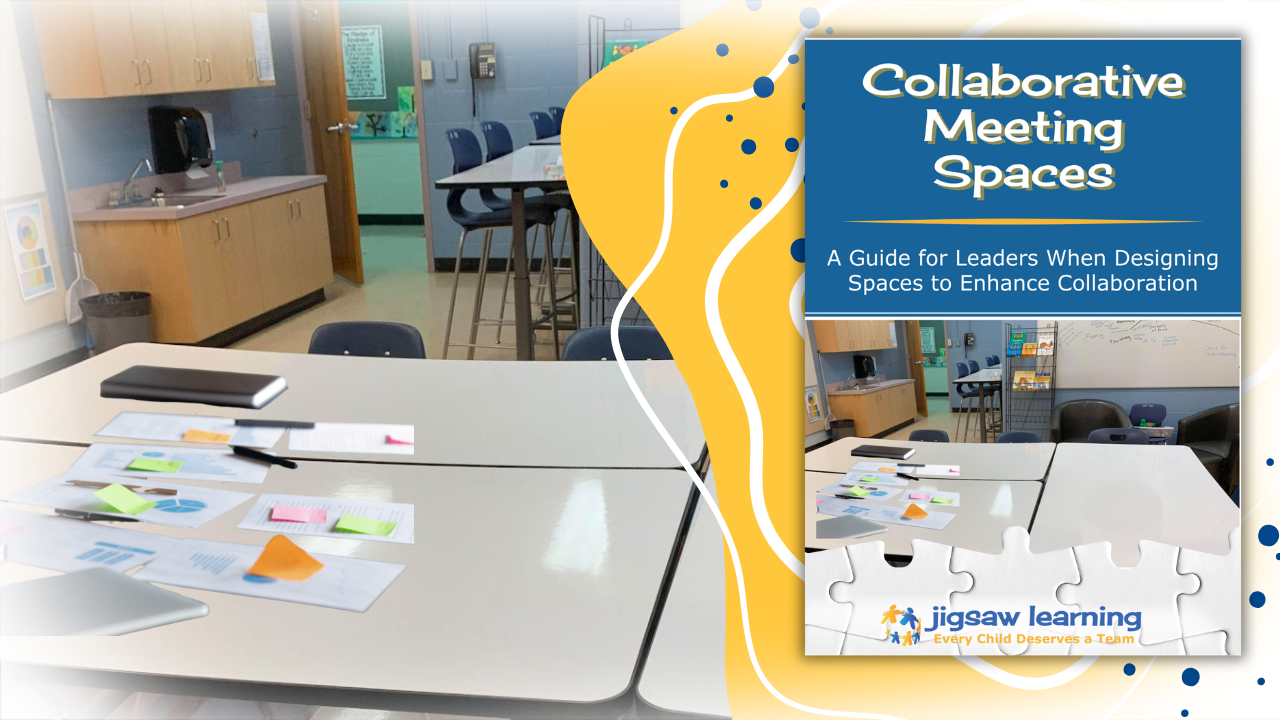
When leading a culture of collaboration, leaders often focus on the "what" and the "how"—the agenda and the facilitation techniques that drive a meeting. While these structures are essential, there is a critical, often-overlooked factor: the physical space where collaboration occurs. Just as a teacher designs a classroom to maximize student learning, leaders must be intentional about the environment where adults meet. This space acts as a "third teacher," heavily influencing the quality of work and the depth of collaboration. If you are fortunate enough to have a dedicated meeting or conference room, consider these five strategies for setting up a high-impact collaborative environment.
1. Optimize Seating for Eye Contact and Equity
The way people are arranged in a room is not a trivial detail; it directly impacts engagement and psychological safety. To foster an equal voice, avoid barriers like large, isolating tables or arrangements where anyone has their back to the group. Instead, emphasize connection by ensuring the seating allows everyone to make eye contact with everyone else. This is usually best achieved through a full circle or a horseshoe shape. When participants can visually see and hear one another, they remain more engaged, and nonverbal communication becomes a vital part of their shared understanding.
2. Establish a Visual Focal Point
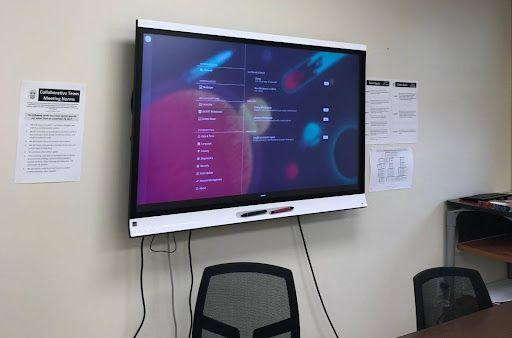
Effective collaboration requires a shared, visible "canvas" for the work in progress. Whether using a television, a projector, or a Smartboard, the meeting notes and data must be projected as a central focal point. To minimize distractions, implement a "single screen rule" where only the designated recorder has a laptop open. This ensures every other participant can focus fully on the collective conversation rather than their own individual screens. For maximum inclusion, invest in a Bluetooth keyboard and mouse so the recorder can remain seated within the horseshoe rather than being exiled to a corner desk.
3. Anchor the Space with Essential Resources including Norms
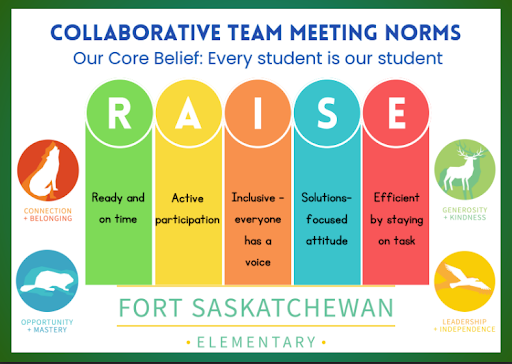
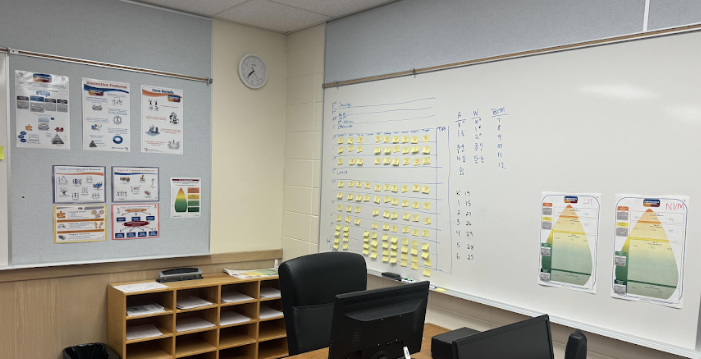
The walls of your collaborative space should serve as constant reminders of your collective mission. Start by prominently displaying your team’s meeting norms to make it easier for facilitators to redirect the process. You should also post anchor resources such as the school’s core improvement goals, visual guides to meeting structures, and continuums of support. To keep the work grounded in evidence, keep a shelf stocked with key books and research articles related to your current initiatives so that teams can easily reference them during discussions.
4. Visualize Data for Progress and Momentum
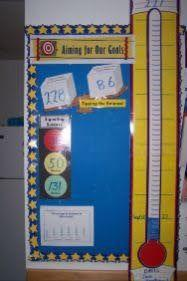
A collaborative space is the perfect place to make your data story undeniable. Do not let your data hide in digital folders; instead, use visual scoreboards like number lines or thermometers to track progress toward key benchmarks. Seeing data visualized in real-time creates immediate momentum and fuels celebration. When teams see their hard work reflected on a physical display, it reinforces that their efforts are making a tangible difference, which provides the energy needed for the next steps in their improvement journey.
5. Prioritize Comfort and Functionality
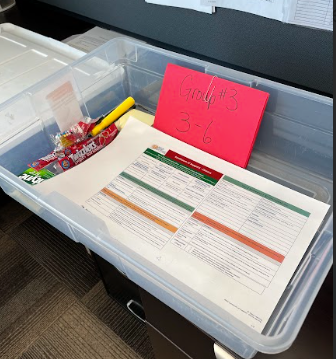
While large whiteboards are excellent, even small, low-cost additions can significantly increase the functionality of a room. Ensure the space is equipped with ready-to-go supplies by keeping a dedicated bin of pens, dry-erase markers, and post-it notes so that no time is wasted searching for tools. If wall space is limited, invest in portable white pads or chart paper to facilitate brainstorming. By intentionally designing these adult learning spaces, you move beyond merely holding a meeting and begin to engineer a culture where collaboration is supported, visible, and effective.
If you have a dedicated collaborative space, what is one visual or resource you currently have on display that has been the most impactful for your team?
Please reach out to share your insights, challenges, and triumphs along with your questions, resources or suggestions related to this topic. Connect with us at or .